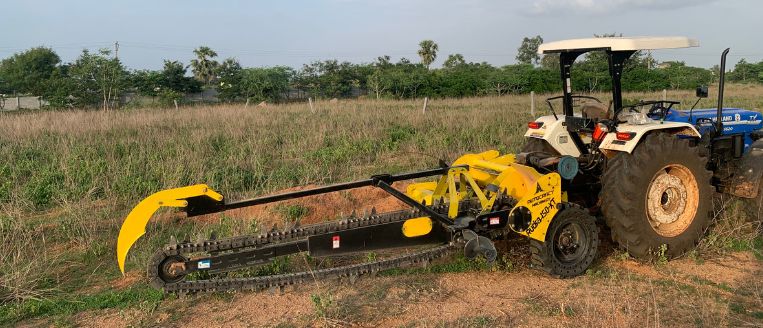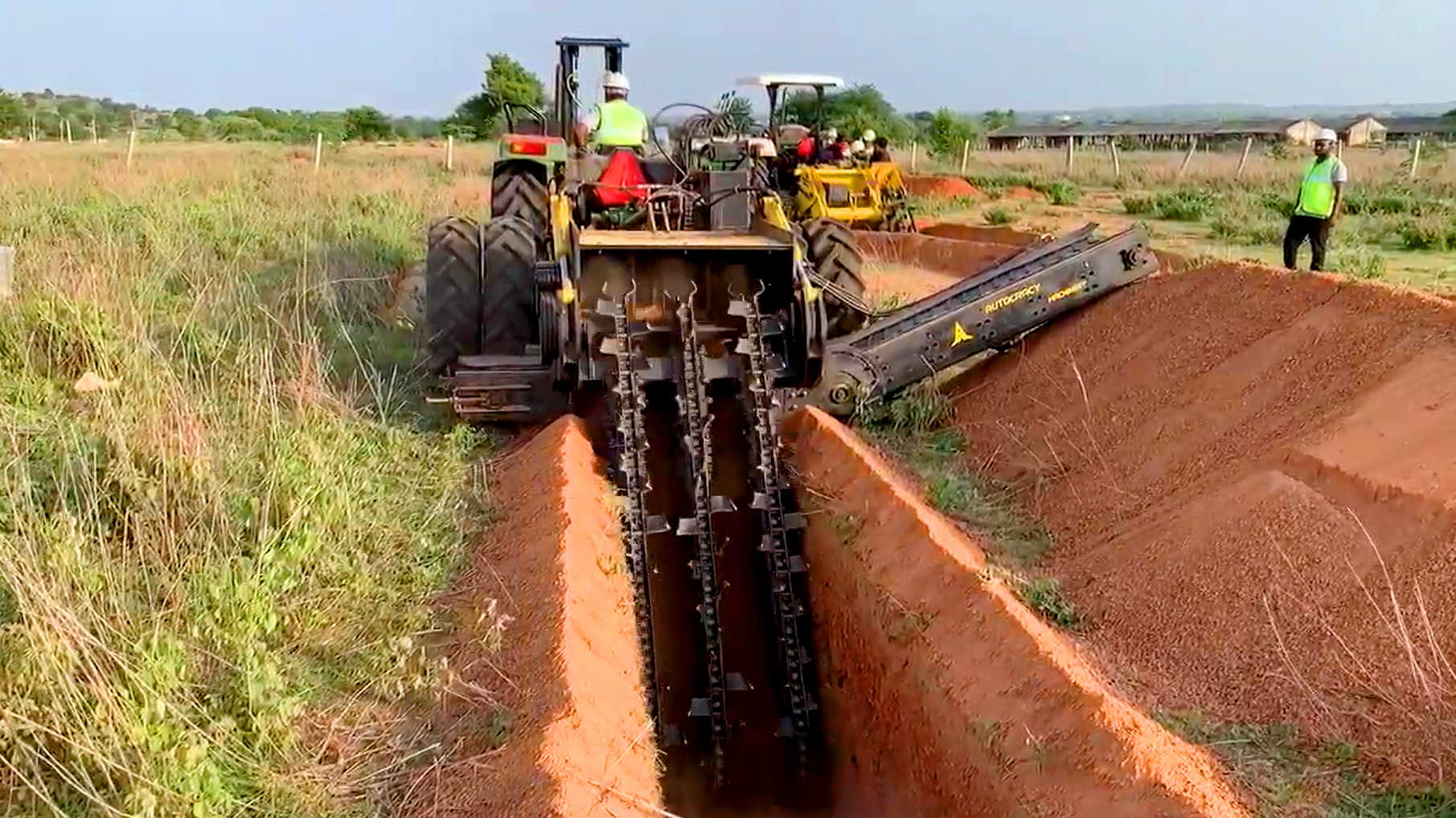
Solar infrastructure projects require careful ground preparation and good solar equipment before panel installation begins. Trenches are needed to route power cables, earthing lines, and communication ducts across large open areas. This groundwork must be completed accurately to support long-term system reliability.
As solar parks grow in scale across India, efficient trenching has become a core site activity. Clean trench paths help engineers plan layouts better and reduce complications during later stages of installation and commissioning.
Solar plants depend on underground networks that remain protected for decades. Poor trenching can lead to cable damage, water ingress, or uneven routing that affects system performance. This makes trenching quality as important as panel placement.
Modern solar projects demand consistent trench depth and alignment across the site. Using the right solar equipment ensures trenching work meets safety standards while supporting faster project execution.
Solar sites are often spread over vast land parcels with varying soil conditions. Manual trenching or unsuitable machines can slow progress and increase labour dependency, especially when deadlines are tight.
Contractors also need to manage trenching across internal roads and module rows. Reliable solar equipment helps maintain uniform trench quality without disturbing nearby structures or completed installations.
Specialised trenching machines are designed to handle continuous trenching across open fields. These machines support organised cable routing, which is essential for electrical safety and ease of maintenance.
In solar projects, machines such as Multi Chain Trencher solutions are preferred for their ability to maintain steady trench paths across long distances. This supports efficient workflow for EPC teams working on tight schedules.
Gaja 300XC is used in solar projects where consistent trenching is required across wide layouts. It helps create clean trenches for cable and earthing systems without frequent repositioning or rework.
For EPC contractors managing large solar sites, this machine supports smooth coordination between civil and electrical teams. Its ability to work continuously improves site productivity and planning accuracy.
Solar projects use trenching machines for routing DC and AC cables, earthing conductors, and monitoring lines. These trenches are planned to remain stable throughout the operational life of the plant.
A heavy duty trencher like Gaja 300XC supports such applications by handling extended trenching work without compromising trench consistency. This helps engineers ensure compliance with project design requirements.
Using purpose-built trenching machines reduces dependency on manual labour and improves site safety. Engineers can rely on predictable trench paths that align with approved layouts and drawings.
By using efficient solar equipment, contractors can reduce delays caused by uneven trenching or corrective work. This supports timely project delivery and smoother coordination between stakeholders.
India’s solar sector continues to expand across utility-scale and government-led projects. Reliable trenching practices are essential to support this growth and ensure long-term asset performance.
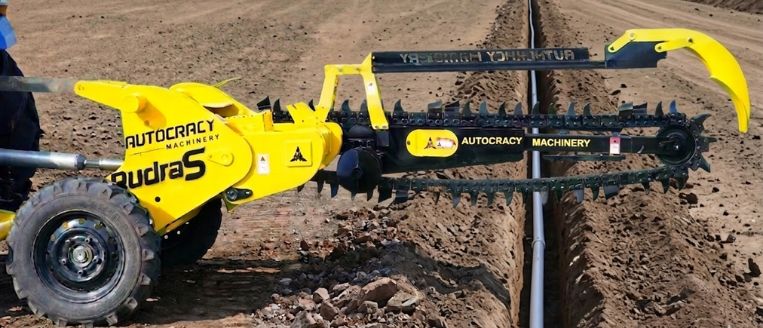
Gaja 300XC plays a practical role in helping solar projects maintain quality standards during ground preparation. The machine is manufactured by Autocracy Machinery, supporting India’s renewable energy infrastructure development.
.jpg)