.jpg)
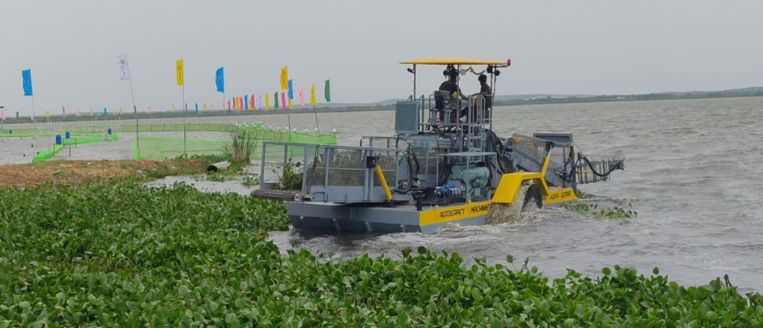
On many sites near water, the main issue is reaching the work area. The edge may look fine at first, but it often breaks or sinks once machines move closer. Teams try to make temporary access, but it does not always last. A floating excavation platform helps avoid all that by allowing work to start directly on water.
This saves time at the beginning itself. Instead of fixing access again and again, the team can focus on actual work like clearing or desilting. It keeps things moving, especially when the site does not stay stable for long.
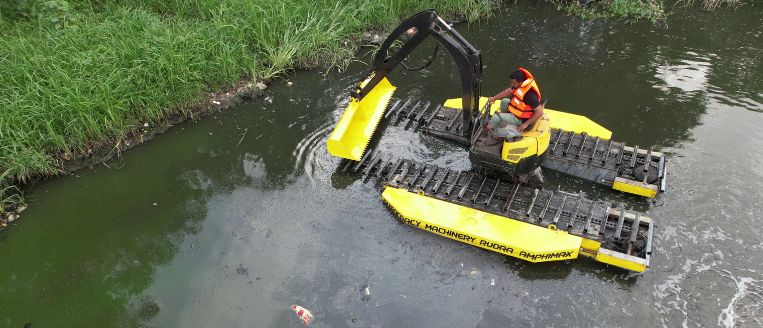
Soft ground keeps shifting, and that makes it hard to hold a machine in one place. The operator has to keep adjusting, which slows everything down. A pontoon excavator handles this better because it stays balanced on water rather than loose soil.
Once the machine settles, the work feels more controlled. The operator does not have to worry about the position every few minutes. This makes long working hours easier and reduces small delays that keep adding up.
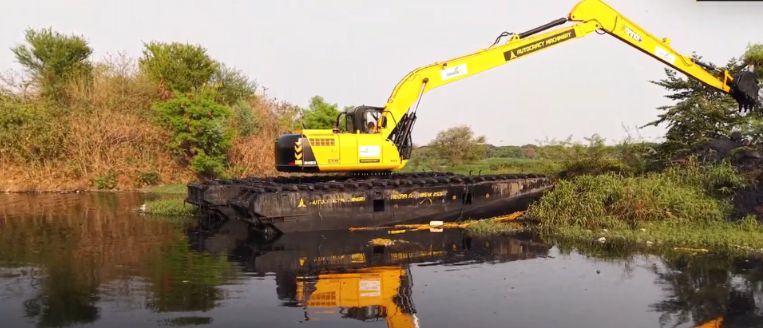
Work on water bodies rarely stays the same from start to finish. One part may need cleaning, another may need deeper excavation. An excavator barge can be used for both without changing the setup.
This avoids bringing in different machines for each task. The team can continue working without stopping to rearrange equipment. It keeps the process simple and helps maintain a steady pace.
In marshy areas, machines tend to get stuck or lose balance quickly. Even moving a short distance becomes difficult. A swamp excavator platform works better here because it does not depend on solid ground.
With this setup, movement becomes more reliable. The team can continue working without repeated stops. It also avoids disturbing the area too much while trying to create support.
Some sites keep changing with water levels going up and down. What works one day may not work the next. In such situations, a floating excavation platform gives more flexibility than ground-based options.
There is no need to rebuild access again and again. Work can continue as conditions change. This helps avoid unnecessary effort and keeps the project moving.
In waterlogged areas, machines often need to be repositioned again and again. This wastes time and slows progress. A pontoon excavator reduces this problem by working directly on water.
With fewer interruptions, the team can maintain a steady flow of work. Over time, this helps in meeting deadlines without extra pressure.
Water bodies need regular cleaning, not just one-time work. Silt, weeds, and debris keep coming back. An excavator barge makes it easier to handle this without breaking the work into smaller parts.
Tasks can be done in a more organised way. This helps keep the area maintained and avoids bigger problems later.
Some sites are simply difficult to manage with regular machines. Soft ground and standing water make work slow and uncertain. A swamp excavator platform gives a more workable option in such cases.
It allows the machine to move without depending on firm ground. This keeps the work going without adding extra steps or complications.
Water cleaning projects rarely go as planned. Conditions keep changing, and equipment needs to handle that without slowing things down. A floating excavation platform is often used because it fits these situations better.
At Autocracy Machinery, the focus is on building equipment that matches actual site conditions. The idea is to help the irrigation and flood control teams continue their work without getting stuck on stability issues.