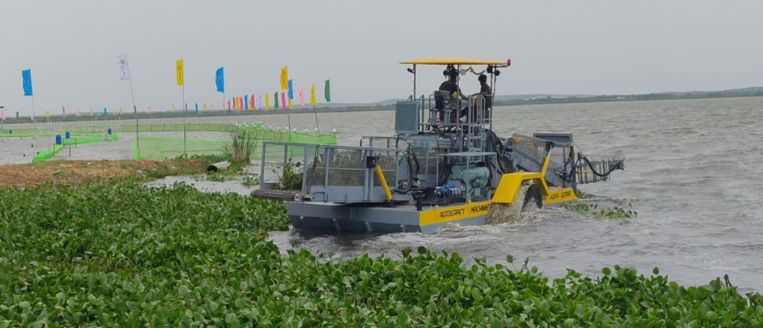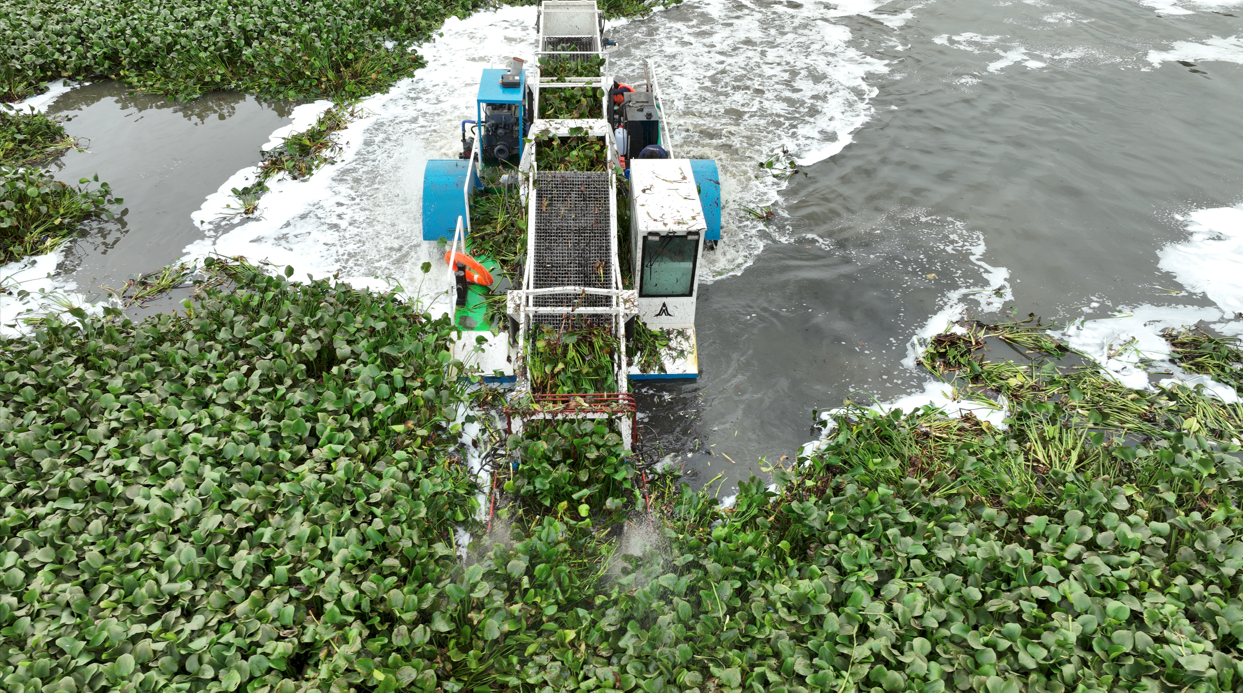
Lakes, ponds, canals, and rivers are under growing pressure due to weed growth, floating waste, and poor water circulation. As waterbodies face neglect and pollution, many authorities and operators look for a reliable aquatic weed harvester or lake cleaning machine to manage these challenges in a systematic way.
Most people begin by searching for a suitable solution, but selecting the right machine requires more than availability. It depends on understanding how the equipment works, where it is used, and whether it truly fits the cleaning requirements of the water body.
An aquatic weed harvester is designed to remove unwanted plant growth from waterbodies without draining the water. It operates directly on the surface, cutting and collecting weeds that block natural flow and affect water quality.
These machines are widely used for aquatic vegetation removal in lakes, canals, ponds, and other waterbodies. Regular weed management helps reduce stagnation, control mosquito breeding, and support healthier aquatic environments over time.
Waterbody maintenance involves multiple stakeholders. Municipal teams rely on these machines for routine lake upkeep. Contractors use them for long-term cleaning projects. Aquaculture operators depend on them to maintain healthy ponds, while CSR teams apply them in restoration and sustainability initiatives.
In most cases, a dependable lake cleaning machine supports planned maintenance rather than one-time cleanup activities, making waterbody management more effective and consistent.
When evaluating water cleaning equipment, the focus should be on suitability rather than proximity or availability. Waterbodies differ in size, depth, and weed density, and the machine must match these conditions.
Effective solutions are those that:
Work safely on water
Are easy to operate and control
Support repeated cleaning cycles
Offer long-term reliability
A well-selected machine can also function efficiently as a lake cleaner machine, delivering stable performance across different cleaning phases.
Before moving forward, it is important to assess whether the equipment aligns with the actual cleaning task.
Key aspects to consider include:
Nature of the waterbody and weed growth
Safety and ease of operation
Suitability for continuous or seasonal use
Availability of maintenance support
Machines that are chosen with these factors in mind deliver better outcomes over time.
Not all weed management machines are designed the same way. Some focus mainly on surface weeds, while others handle thicker or recurring growth. Certain designs also work as a waterway debris collector, removing floating waste along with vegetation.
Understanding these differences helps ensure the chosen solution is neither over-engineered nor under-performing for the task at hand.
One example used across many waterbody maintenance projects is the Rudra Aqua Ultra. It is applied where weed growth is persistent and manual methods are no longer effective.
Such machines support structured maintenance programmes instead of reactive cleanup efforts, helping authorities manage waterbodies in a more planned manner.
Working directly with a manufacturer helps ensure that the machine selected matches the actual project requirement. It also allows for proper guidance, operational understanding, and long-term support.
This approach is especially important when deploying an aquatic weed harvester intended for repeated use across seasons and different waterbody conditions.
Reliable water cleaning solutions come from manufacturers who understand real-world conditions. Autocracy Machinery designs purpose-built machines to address practical waterbody challenges with a focus on usability, durability, and long-term performance.
If you would like to learn more about selecting the right solution for your waterbody maintenance needs, feel free to reach out for an enquiry.

.jpg)