Water bodies play a critical role in environmental sustainability, public health, and climate balance. Lakes, rivers, and canals support ecosystems, groundwater recharge, and urban water needs. However, increasing urbanisation and waste discharge have put severe pressure on these natural assets.
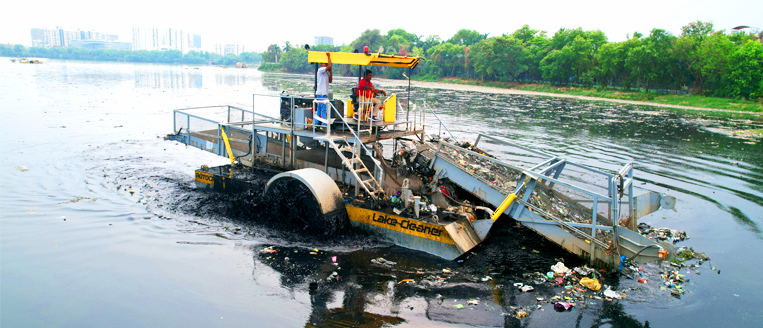
One of the biggest challenges faced today is Floating Trash Removal, which directly affects water quality and ecological balance. Plastic waste, organic debris, and floating vegetation often block water flow and damage aquatic life. Addressing this issue requires purpose-built machines that can work continuously and safely on water surfaces.
Environmental sustainability projects often struggle with slow, labour-intensive cleaning methods. Manual cleaning exposes workers to unsafe conditions and delivers inconsistent results. Conventional land machines are also ineffective once debris spreads across the water surface.
Many authorities face difficulty maintaining lakes and rivers due to limited access and operational inefficiencies. This is where a specialised floating trash collector becomes essential, as it allows systematic removal of waste without disturbing the surrounding ecosystem or depending heavily on manual labour.
A modern aquatic cleaning machine is designed to operate directly on water bodies and handle large volumes of floating waste efficiently. Unlike temporary solutions, it offers a long-term approach to keeping water surfaces clear and usable throughout the year.
Such machines help authorities move from reactive cleaning to preventive maintenance. Regular operation ensures waste does not accumulate or sink, which helps improve water circulation and reduces foul odour, mosquito breeding, and pollution spread.
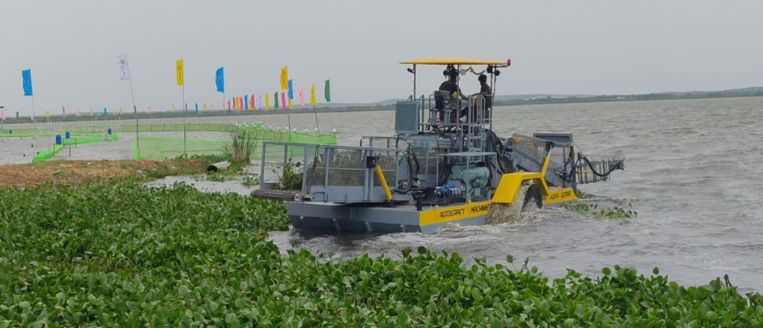
The cleaning process focuses on controlled surface collection using stable floating platforms. Waste is gathered gently and stored onboard, allowing continuous cleaning without repeated stoppages. This makes lake debris removal faster and more organised compared to manual skimming.
The machine operates smoothly even in narrow or congested water stretches. Its steady movement ensures that debris is collected evenly across the surface, supporting restoration efforts without disturbing aquatic habitats or shoreline structures.
Environmental departments use such solutions extensively for restoring polluted rivers and canals. A reliable river debris collector helps clear floating waste that blocks natural flow and causes waterlogging during seasonal rainfall.
These machines are also deployed in urban lakes, reservoirs, and drainage channels as part of city-level sustainability initiatives. Regular cleaning supports biodiversity, improves visual appeal, and enables safer reuse of water bodies for public and ecological purposes.
From a project execution perspective, machine-led cleaning ensures predictable output and better planning. Reduced dependence on manual labour lowers safety risks and improves operational control. This makes projects easier to monitor and scale.
With a solution like the Aqua Max harvester, authorities can maintain water bodies consistently instead of relying on one-time clean-up drives. It supports long-term sustainability goals by ensuring water bodies remain functional and healthy throughout the year.
Sustainable water management depends on preventive action rather than emergency response. Mechanised cleaning allows authorities to protect water bodies before pollution reaches irreversible levels. This approach aligns well with national and municipal sustainability missions.
Autocracy Machinery develops and manufactures advanced water cleaning solutions designed for Indian conditions. With in-house engineering and customisation capability, the company supports environmental sustainability projects by delivering reliable machines for long-term water conservation efforts.

.jpg)