The demand for reliable agriculture equipment has grown as farmers adopt irrigation systems and organised field layouts. Trenching is now a routine task in both small and medium farms. Clean trenches help farmers manage water and soil effectively.
Modern farming relies heavily on planned field preparation and efficient water usage. Manual digging is no longer practical for farms that require accuracy and speed. This shift has increased the role of mechanised solutions on agricultural land.
As agriculture moves towards efficiency, machines that reduce labour effort are becoming essential. Compact trenching solutions help farmers complete work faster without disturbing crops. This change supports better productivity and time management on farms.
Trenching helps farmers manage water flow across different crop zones. It supports irrigation pipelines, drainage channels, and underground connections. Proper trenching reduces water loss and improves soil moisture control.
Many farmers use trenching to protect irrigation pipes from surface damage. This ensures long-term reliability of water systems across seasons. It also helps maintain neat and organised fields.
With changing rainfall patterns, drainage trenches have become equally important. Trenching allows excess water to move away from crop roots. This prevents waterlogging and crop damage during heavy rains.
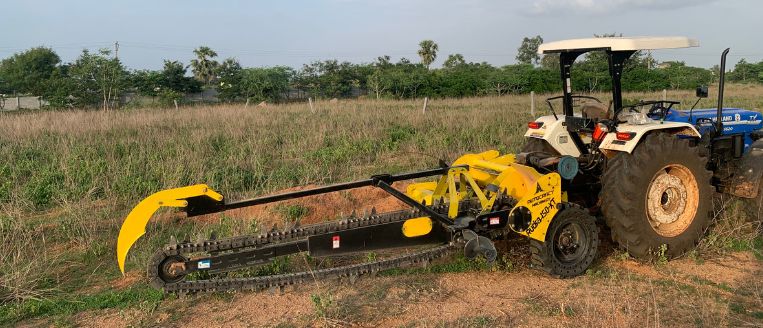
Traditional digging methods are slow and physically demanding. Farmers now prefer Agricultural trenching machines that deliver consistent results. These machines help complete field work within short time frames.
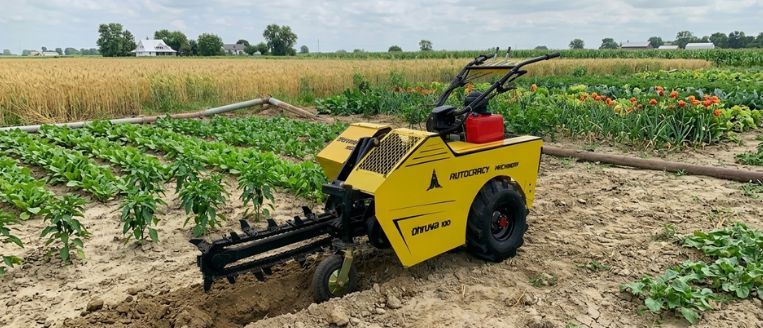
Compact trenchers are well suited for farm paths and plantation rows. They can work close to crops without causing soil disturbance. This makes them ideal for daily agricultural operations.
Mechanised trenching also improves uniformity across the field. Uniform trenches help maintain equal water distribution. This directly supports crop health and yield consistency.
Efficient irrigation depends on correct pipe placement and depth. Many farmers now rely on farm irrigation equipment for controlled water delivery. Trenching machines help prepare the ground accurately for this setup.
Laying irrigation lines manually often leads to uneven depth. This can affect water pressure and flow. Trenchers help farmers avoid such problems with clean trench profiles.
Organised irrigation systems also reduce water wastage. With proper trenching, pipes remain protected below the surface. This supports long-term water efficiency on farms.
The Dhruva 100 is used by farmers who require simple and dependable trenching support. It fits well into daily farm activities without complex operation. The machine is suitable for repeated seasonal use.
As a Rural Trenching Machine, it works effectively in village fields and farm interiors. Farmers use it along crop rows, boundaries, and irrigation paths. Its compact nature supports easy movement within farms.
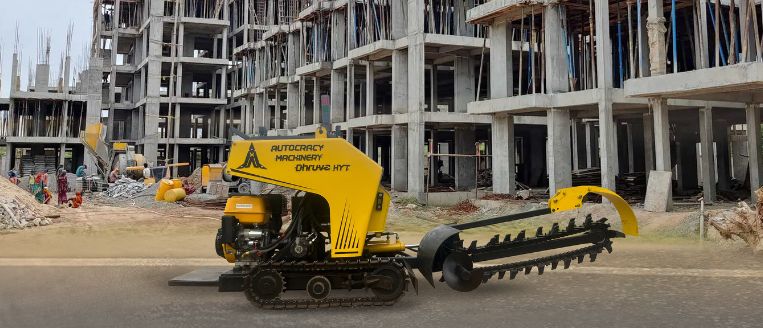
The machine supports trenching for irrigation, drainage, and utility routing. It helps farmers complete work with less physical strain. This improves work efficiency during peak farming seasons.
Modern farms increasingly adopt drip systems for water control. Drip irrigation trenching requires narrow and consistent trenches. Compact trenchers make this process faster and more reliable.
Plantation crops need precise irrigation layouts. Trenches must follow straight lines without disturbing nearby plants. Mechanised trenching helps farmers achieve this accuracy.
Using machines for irrigation trenching saves time and labour. Farmers can complete installations quickly before planting cycles. This supports timely farm planning and execution.
Water accumulation can damage crops and soil structure. Farmers depend on farm drainage trenches to control excess water. Proper drainage protects crops during heavy rainfall.
Trenching also helps prepare land for new planting seasons. Fields become easier to manage when drainage is planned. This improves soil condition over time.
Mechanised drainage trenching reduces repeated manual work. It ensures trenches remain consistent across the field. This supports long-term farm maintenance.
The Dhruva 100 falls under practical agricultural machinery used for routine tasks. Farmers prefer machines that are easy to operate and maintain. This supports daily use without technical complexity.
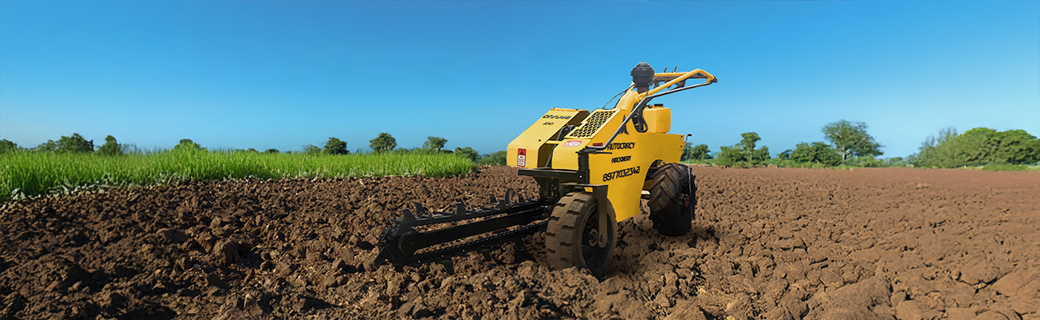
Its compact build allows work in narrow farm spaces. It can move easily between different plots. This flexibility suits varied agricultural layouts.
Farmers value machines that reduce downtime. Reliable trenching equipment helps maintain work schedules. This is important during sowing and irrigation periods.
Using trenching machines reduces dependency on manual labour. Farmers can complete trenching work faster and more consistently. This saves both time and cost.
Mechanised farm trenching also improves field organisation. Trenches are cleaner and easier to maintain. This supports better crop management.
Over time, farmers experience improved water usage and soil protection. These benefits contribute to sustainable farming practices. Trenching machines become a long-term asset on the farm.
As farming evolves, precision and efficiency are becoming priorities. Agricultural trenching solutions help farmers adapt to these changes. Compact machines support planned field development.
Trenching machines enable better irrigation, drainage, and land use. Farmers gain better control over field operations. This leads to improved productivity and reduced effort.
Dhruva 100 supports modern agriculture by offering a practical trenching solution. It helps farmers manage water and soil efficiently. This makes it a valuable tool in today’s farming environment.