Delays are not unusual in large excavation projects. In many cases, the issue is not the team on site but the equipment being used. When the machine is not suited to the work, progress slows down. Lost time is difficult to recover, even with experienced operators.
This is one of the reasons why many contractors are now considering chain trenchers for their projects.
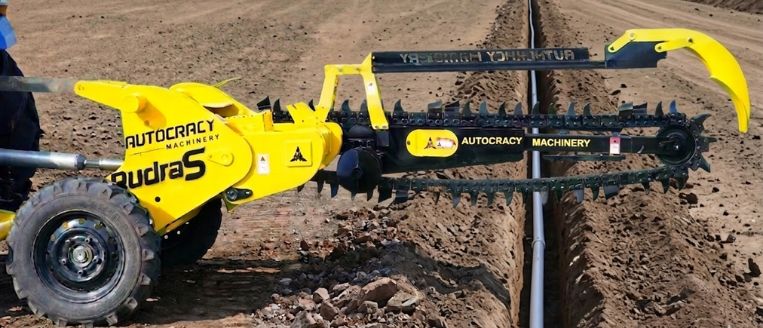
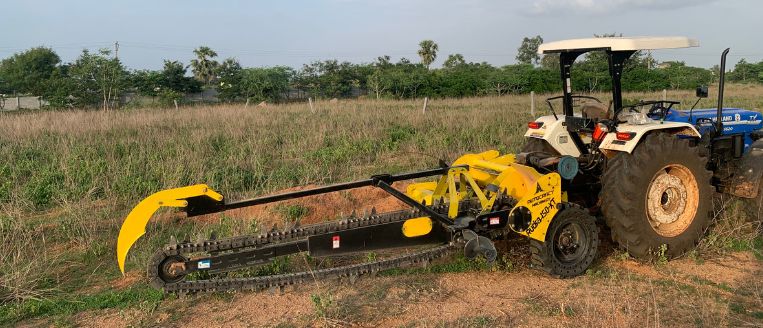
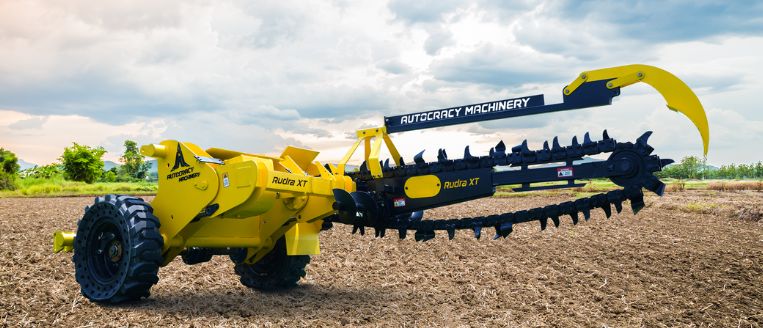
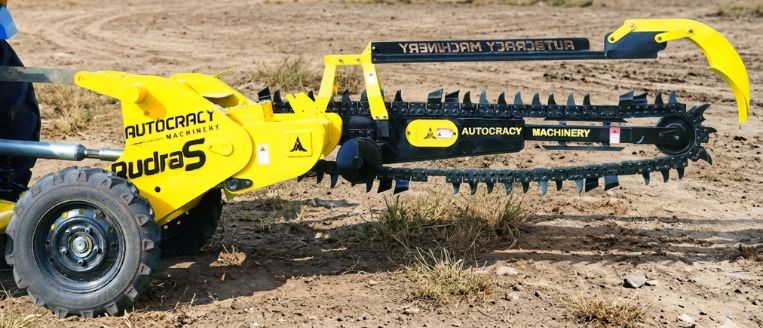
A chain trencher operates using a continuous chain fitted with cutting teeth. This chain moves along a boom and cuts through the soil as the machine advances. The trench produced is straight, with consistent depth and clean sides.
Because of this, there is less need for manual correction before installation work begins.
Uniform trench depth plays an important role in pipeline and cable projects. If the depth varies, it can lead to uneven bedding and additional backfilling. Over time, this may affect the stability of the installation. These kind of trencher equipments helps avoid these issues by maintaining a steady profile throughout the trench.
Modern machines also allow adjustments to suit different conditions. The boom position and cutting chain can be changed based on the type of soil. This allows the same machine to continue working even when ground conditions change during the day.
Chain trenchers are used in a range of projects where both accuracy and steady output are required:
Telecom work for laying fibre optic cables, where a clean trench supports proper cable placement
Pipeline projects for gas and water systems, where a level trench base reduces preparation effort
Agricultural irrigation and drainage work, especially for long trench lines across open land
Highway and railway corridor projects, where continuous trenching helps maintain steady progress
The advantages of chain trenchers become clear during actual site operations.
Trenches are formed with good accuracy from the start, which reduces preparation time. Work tends to continue at a steady pace, even in conditions such as clay or mixed soil that usually slow down other equipment. One machine can often handle different trench sizes, which reduces the need for frequent equipment changes.
Trenchers are generally built for continuous use. Components such as the boom and chain are designed to handle long working hours. Controls are straightforward, and depth management systems help maintain consistency, which also reduces operator strain during extended shifts.
Taken together, these factors help improve project timelines and control labour effort.
Chain trenchers are available in different configurations.
Single chain trenchers are widely used for standard utility work and are suitable for sites with limited space.
Double chain trenchers provide higher cutting capacity and are used for wider trenches or more demanding soil conditions.
Selecting the right machine depends on factors such as soil type, trench dimensions, project duration, and site access.
Trencher suppliers with experience in trenching equipment can help assess these conditions and guide the selection. It is more effective to make the right choice at the beginning rather than adjust after the work has started.
Chain trenchers may not be required for every excavation job. However, in many underground utility, pipeline, and cable projects, they offer practical advantages.
They help maintain consistent trench quality, reduce the need for manual work, and support steady progress on site.
Companies such as Autocracy Machinery are trencher manufacturers working towards developing equipment that is suited for real site conditions, with a focus on reliability, consistent output, and ease of operation across different soil types.
For contractors who rely mainly on excavators, it may be useful to review whether a chain trencher would be more suitable for certain types of work.